
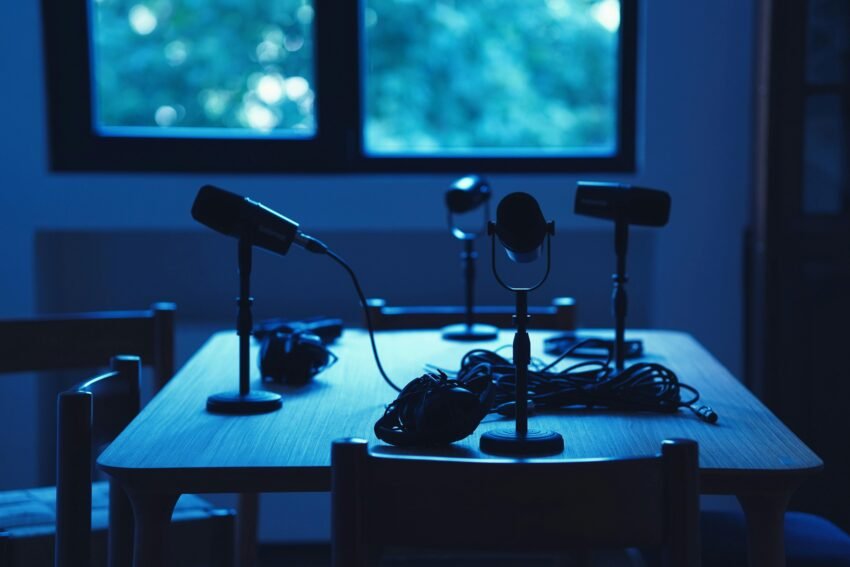
Using a spirit box for the first time can feel intense. It’s loud, fast, and full of fragments that can sound like words. The trick is to slow the session down and use a simple protocol so you can review what happened later.
This guide shows how to use a spirit box step-by-step, with beginner-friendly settings that matter most.
how to use a spirit box
How to use a spirit box well comes down to preparation, settings, and a repeatable question-and-wait routine. Your goal is to create clean audio and clear timestamps, not to chase every noise.
Step 1: Pick a safe, quiet location (and bring basics)
Start somewhere legal and safe. A calm environment makes it easier to hear and interpret the audio. Bring a small kit:
- Flashlight or headlamp
- Phone charger or power bank
- Notebook or Notes app
- Water
If you’re leaving home for an investigation, Ready.gov’s basic emergency kit list is a good sanity check for essentials (Ready.gov).
Step 2: Decide how you’ll record (don’t skip this)
Recording is what turns a spooky moment into something you can review. If you’re using a hardware spirit box, record the room audio with your iPhone using Voice Memos (Apple guide).
Recording helps because:
- You can replay and check what you heard.
- You can compare what different people thought they heard.
- You can catch normal explanations (cars outside, neighbors, plumbing).
Step 3: Choose beginner settings
Don’t overthink it. Start with simple defaults and adjust after a few minutes.
AM vs FM
Try both. Depending on your area, one may sound less busy. If you’re curious about what you’re hearing in general, the FCC has an overview of radio and broadcasting (FCC).
Sweep rate (speed)
- Start moderate. Too fast becomes pure static, too slow can catch longer broadcast phrases.
- Adjust after 2 minutes based on what you’re hearing.
Volume
Keep it comfortable. If the volume is too high, you’ll fatigue quickly and start “hearing” words in everything.
Step 4: Run a 10-question beginner session
Here’s a simple structure that works for most beginners:
- Start recording (spirit box + room audio if possible).
- Say out loud: time, location, who’s present.
- Ask one short question.
- Wait 15 to 20 seconds in silence.
- Write a quick note: what you think you heard (one or two words).
- Repeat for 10 questions.
Good beginner questions are simple and low-pressure. If you want a full list, jump to our scripts: Best Spirit Box Questions to Ask.
Step 5: Do a repeatability check
If you get a moment that feels like a direct response, try repeating the question later in the session. Don’t force it. Just see if anything similar happens again.
Step 6: Review later (the next day is best)
Listening back immediately can keep you in an excited mindset. If you can, review the next day:
- Replay the timestamps you marked.
- Write down what you hear before re-reading your original notes.
- Compare interpretations with anyone else who was there.
iPhone-first alternative: an app-based spirit box experience
If you don’t have hardware and want an iPhone-first way to run a spirit-box-style session with recordings-style tools, you can try Ghost Detector EMF Spirit Box. It can help you stay structured, mark moments, and keep sessions consistent.
Read next
- What Is a Spirit Box?
- How Does a Spirit Box Work?
- Best Spirit Box Questions to Ask
- Spirit Box vs Ghost Detector App
FAQ
Do I need headphones for a spirit box?
Headphones can help you hear subtle fragments, but they can also make the experience feel more intense. Start with low volume and take breaks if needed.
How long should a first session be?
15 to 30 minutes is plenty for a first session. The goal is to learn the device and your environment, not to push for hours.
Why do I keep hearing full sentences?
If your sweep is slow or local stations are strong, you may catch longer broadcast fragments. Speed up the sweep rate slightly and try a different band.
Should I ask yes/no questions?
Yes/no questions are easier to interpret, but keep them simple and leave time between them. Avoid leading questions that force a specific expected word.
What’s the most important habit to build?
Recording and timestamping. When you can review later, you’ll learn quickly what’s normal audio vs what’s genuinely unusual.